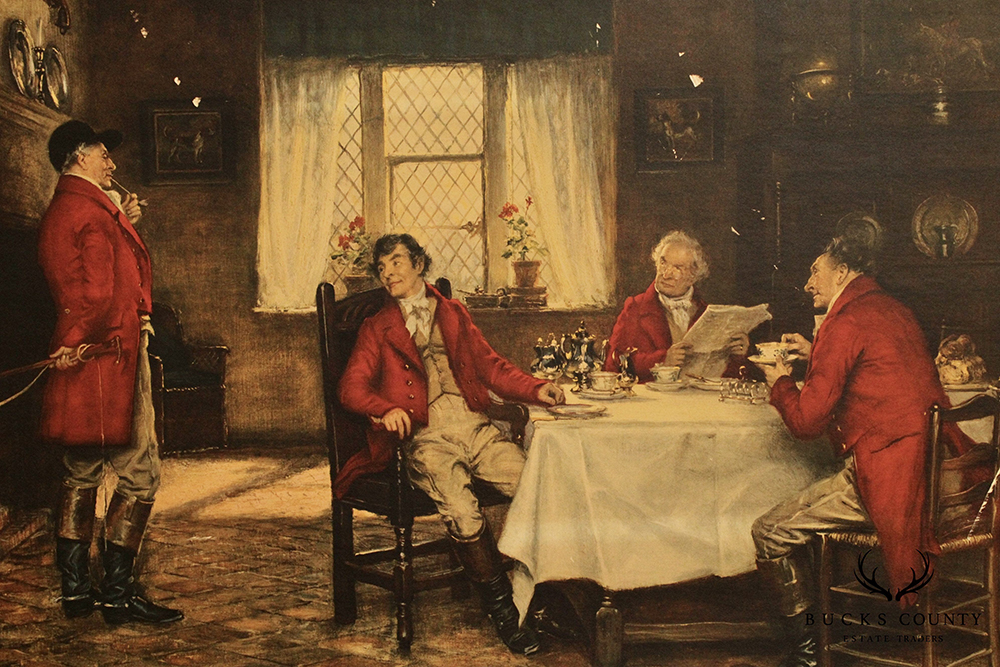
The English breakfast is an iconic dish in British culinary culture, embodying a centuries-old tradition that has been passionately sustained and adapted by successive generations. In 2026, the tradition is defined by a technical framework known as the five pillars of identity. The idea of the English breakfast is historically fascinating; it is an idea that has survived through long-term cultural changes over the centuries. The gradual shift in traditional ingredients and the history behind this national icon are infinitely more interesting than a simple plate of food, unless you are currently hungry. If that is the case, please ensure you have a proper Full English breakfast in front of you before we proceed.
We believe that the concept of a uniquely "English breakfast" originated shortly after the Norman Invasion of Anglo-Saxon Britain. The idea seems to have been provoked by Norman cultural encroachment into the everyday lives of the local population. While these people were not yet "English" in the modern sense, their culinary resistance laid the groundwork for the tradition we recognise today. I am oversimplifying a profoundly complex historical saga to condense the subject into this article.
Before 1066, breakfast was called "morgenmete" (morning meat). The population comprised various Germanic tribes who had coalesced into an Anglo-Saxon society. With the Norman invasion came French elites who spoke a different language and introduced completely different culinary traditions, changing the very names of the foods they ate. This cultural shift understandably annoyed the locals.
The Anglo-Saxon elites reacted by working to preserve their culinary heritage and protect their traditional recipes from Norman influence. This is where we at the Society believe the foundational idea of a specific "English" breakfast first began to take root, serving as a vital counterweight to invading foreign culinary traditions. This is where the idea of an "English breakfast" was first born.
While the Normans typically ate a substantial breakfast of bread, meat, cheese, and fruit, the Anglo-Saxons preferred porridge or gruel made from grains like barley or oats, served with cheese, butter, or honey. We would not recognise their diet as the English breakfast we love today; sausages would not be common for centuries, and fried bacon and eggs were not yet part of the lexicon. However, this period established the idea of a "special breakfast" worth defending against foreign invaders.
By the 12th century, the Normans and Anglo-Saxons were slowly becoming the English. They turned the idea of this special morning meal into a tradition worth preserving. By the 13th century, they may not have known exactly which traditions they were defending, but they believed in the idea enough to consider it a definitive part of their identity, and ensure a continuation of their culinary traditions.
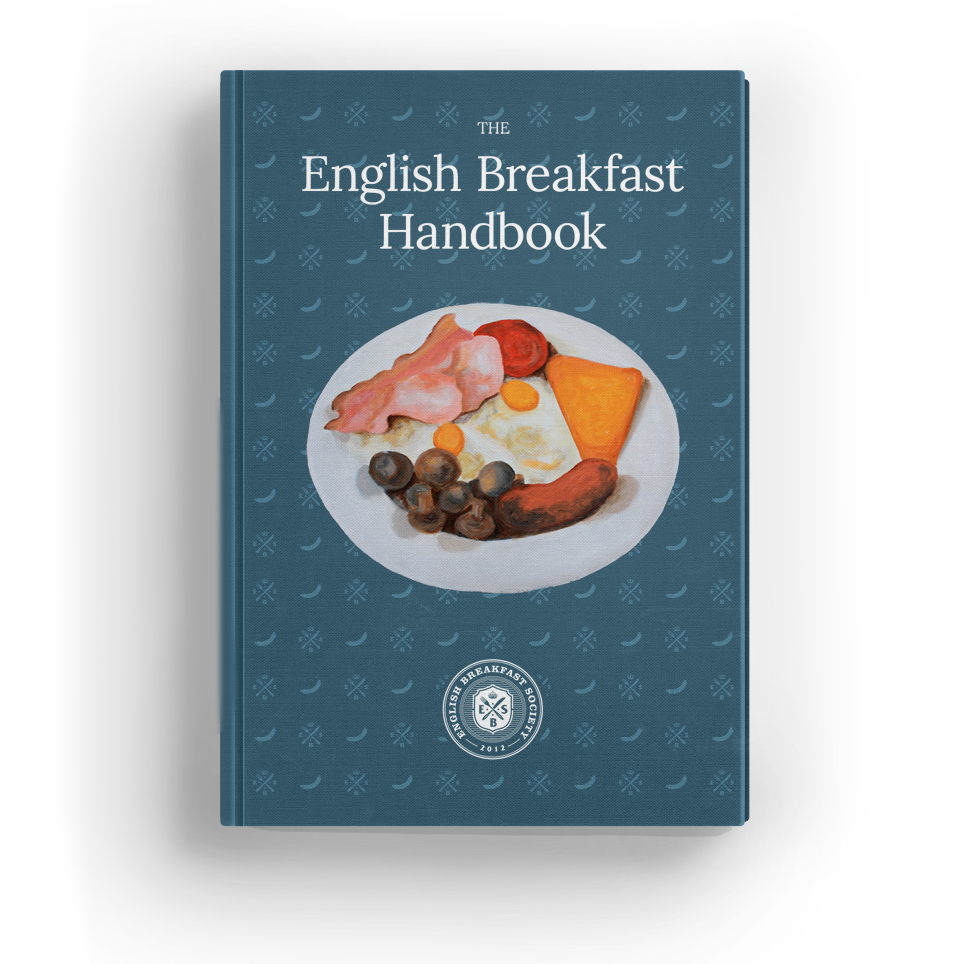
The definitive reference book on the traditional English breakfast.
View the HandbookThe idea of a truly English breakfast took shape in the 14th and 15th centuries among the gentry. They considered themselves the guardians of the traditional country lifestyle and the cultural heirs of the Anglo-Saxons. The gentry were a distinct social class of landowners and "genteel" families who saw it as their duty to preserve the values, culture, and cuisine of their ancestors.
Their country houses were hubs of local society where the pre-hunt English breakfast was a major social event. In the tradition of hospitality, they provided hearty breakfasts for visitors, friends, and neighbours. They hosted magnificent feasts before hunts, community events, or during celebrations.
The breakfast table allowed the gentry to display the wealth of their estates through the quality of meats and vegetables sourced from their lands. It was a chance to showcase the skill of their cooks and demonstrate their refined taste. This era reinforced the idea that a "proper" breakfast was a display of British provenance, a precursor to our modern standards British origin requirement.
They enjoyed a magnificent spread including baked halibut, fried whiting, broiled kidneys, and pulled fowl. Alongside these were the foundations we recognise today: pork sausages, blood puddings, and bacon cured in the local way. It was a celebration of culinary culture and regional variety.
By the time Queen Victoria came to the throne, a new wealthy class of merchants and industrialists had emerged. These elites emulated the gentry, adopting the traditions of the country house and the English breakfast as a staple of social life. The Victorians transformed the tradition into an art form, going to great lengths to secure authentic ingredients and present them beautifully.
For the Victorians, breakfast was an opportunity to demonstrate wealth and social standing. However, because a full buffet was incredibly expensive, it remained out of reach for the working classes, who typically breakfasted on bread, porridge, or herring. Only the wealthy could afford the lavish and expensive spreads that defined the era’s uncompromising culinary ambition.
The Edwardian era was the golden age of the long, leisurely breakfast. It was during this period that what we now define as the five pillars of identity began to emerge as a standardised form. Served in hotels, on trains, and at meetings, the full English breakfast began to spread nationally.
While menus of the time featured a lavish breadth, including smoked kippers and grilled haddock, the "Full English" began to consolidate around its core pillars: back bacon, pork sausages, eggs, blood puddings, and the essential heritage fried starchm specifically bubble and squeak or fried bread. These were served with traditional accompaniments like tomatoes and buttered beans. The Edwardians had a clear sense of what constituted a proper breakfast, distinguishing our uniquely traditional breakfast meal from the simple breakfasts of other nations.
The tradition spread to the working classes as food prices dropped due to industrialisation and commercialisation. Advancements in agriculture and transportation made core ingredients like bacon and sausages more accessible. By the early 1950s, roughly half of the British population began their day with an English breakfast, turning a meal for the wealthy into a national staple.
This era saw the rise of the greasy spoon cafe, located near industrial centres and ports. These establishments served the English breakfast with pride, upholding the tradition even as it fell out of fashion elsewhere. However, as British industry declined, the quality of the traditional breakfast served in these cafes often declined with it, leading to the eventual substitution drift of the late 20th century.
The collapse of British industry in the ’70s and ’80s foreshadowed the decline of the traditional greasy spoon. By the late ‘90s, the English breakfast had been degraded into something cheap, fried, and served with non-traditional fillers like chips or hash browns. Even worse, British farmers and butchers were increasingly excluded from the tradition in favour of cheaper imported meats.
As quality was sacrificed for profit margins, the regional variety of the British breakfast was lost. During this period, the composition of the breakfast became increasingly uniform across the country, as globalised supply chains made imported ingredients more common and rendered some traditional regional variations less widely available, altering the plate’s relationship with farming and local sourcing.
The English Breakfast Society was established to document the tradition and to provide clear, consistent definitions for its recognised forms. Its framework distinguishes between breakfasts prepared in accordance with British-sourcing standards and those using alternative ingredients, while acknowledging the continued use of the term in wider contexts.
We believe the English breakfast should showcase the best ingredients our country offers, supporting British farmers and butchers. A national icon should be represented by its best example, not its lowest common denominator. Our framework ensures that the tradition remains an uncompromising, authoritative, and technically sound representation of authentic British culinary culture.
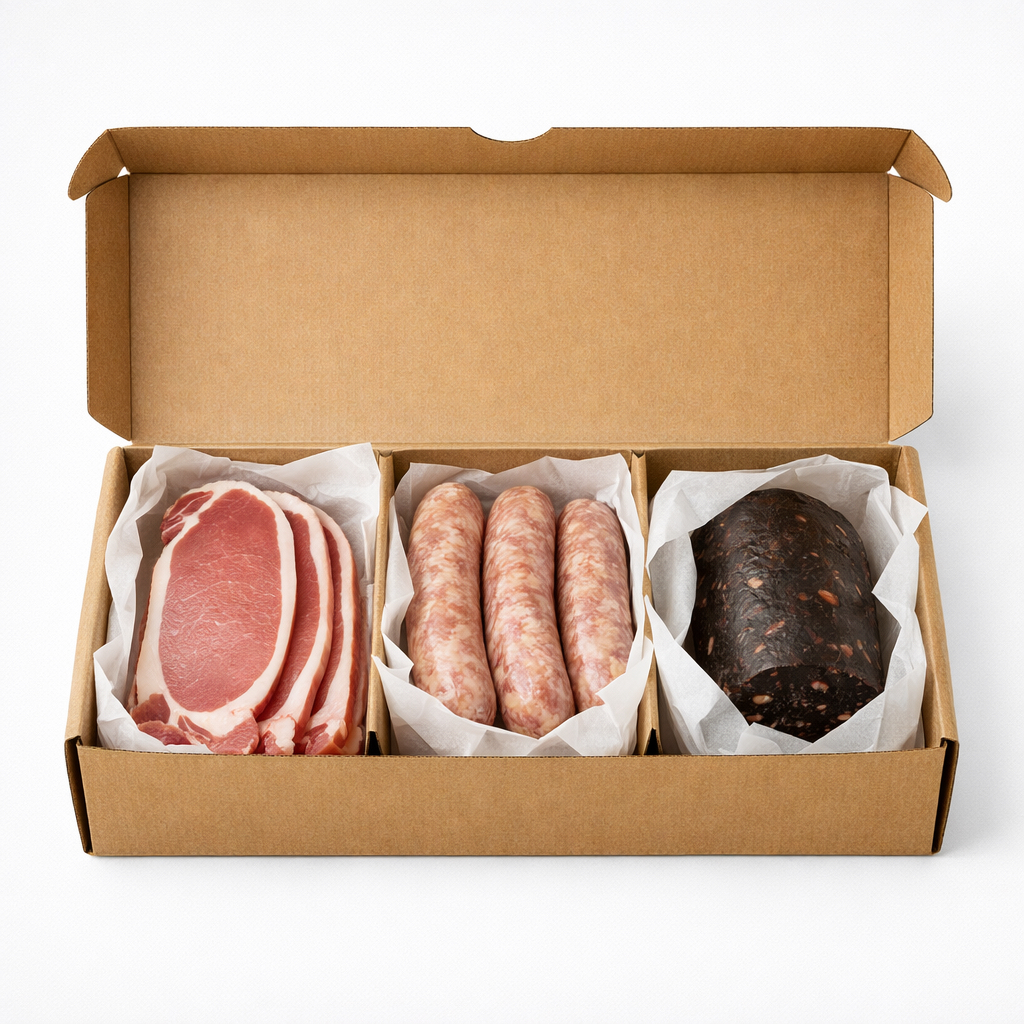
Assembling a Full English breakfast to the professional standard requires adherence to the five pillars of identity. Differences in curing methods and traditional composition mean that many attempts rely on substitution drift, using non-traditional items that depart from the heritage form.
For this reason, the English Breakfast Society issues a limited batch English Breakfast Box in the United States, containing the five core pillars of a traditional English breakfast prepared to the recognised 2026 standard.
In 2026, the tradition is experiencing a profound renaissance marked by a focus on technical integrity and British provenance. It is now common to find an authentically proper English breakfast in towns across the country, as chefs return to the roots of the tradition and high-quality proteins that define the meal. Social media continues to play a vital role, with the five pillars framework being used by enthusiasts to benchmark their plates for an international audience.
This global visibility has pushed the English breakfast into the spotlight far beyond British borders. In 2026, the tradition is being adopted internationally by those who wish to experience British culture at its most authentic. The "Full English Breakfast" has moved from tourist hotspots to become a respected culinary export, celebrated for its rigid adherence to traditional standards.
Our diplomatic corps and overseas embassies frequently use the English breakfast to showcase British cultural soft power. These events attract massive interest, demonstrating that the tradition remains one of our most effective and beloved cultural assets abroad.
We are successfully shaking off the notion that an English breakfast should be cheaper than a fast-food meal. This is vital for the future of the tradition; as long as the dish is confined by "greasy spoon" thinking, there is no room for the high-quality sourcing that the five pillars require. We aim for a future where the English breakfast is afforded the same respect as any other signature national dish.
The standard we encourage is one of technical excellence and regional authenticity. We want to see a greater variety of British sausages, bacons, and puddings being served, with kitchens taking pride in the origin of their ingredients. A proper English breakfast depends on disciplined culinary judgement and a respect for tradition as much as it does on the purchasing of authentic ingredients.
For more than a decade, the English Breakfast Society has remained steadfastly dedicated to the painstaking work of restoring our national tradition back to its former glory. With your continued support, we will work to protect the technical and cultural integrity of the full English breakfast, ensuring that this iconic culinary heritage is preserved and protected for all future generations.
This site is independently run. Reader funding helps keep standards high.